Securing 20 years of sustainable production by protecting
5,000 hectares of the Gran Chaco in Paraguay
Gaiacwood oil: Securing 20 years of sustainable production by protecting 5,000 hectares of the Gran Chaco in Paraguay
Some ingredients can be sourced.
Other must be secured.
GAIACWOOD DEPENDS ON A FOREST THAT IS DISAPPEARING
There are very few ingredients left in the perfume industry that are truly irreplaceable.
Gaiacwood oil is one of them, not only because of its olfactive profile, but because of where it comes from.
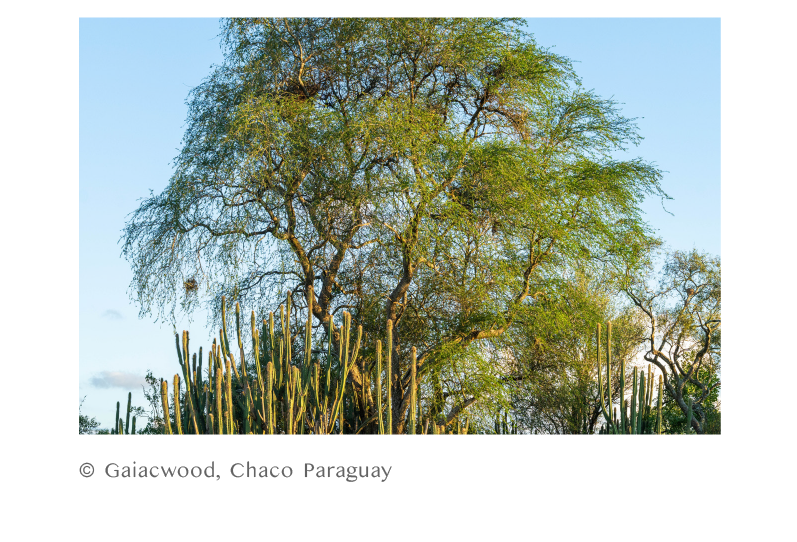
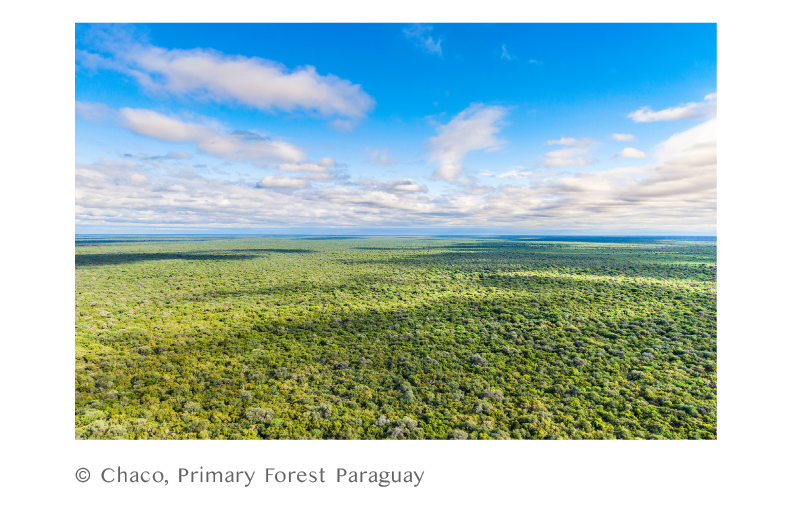
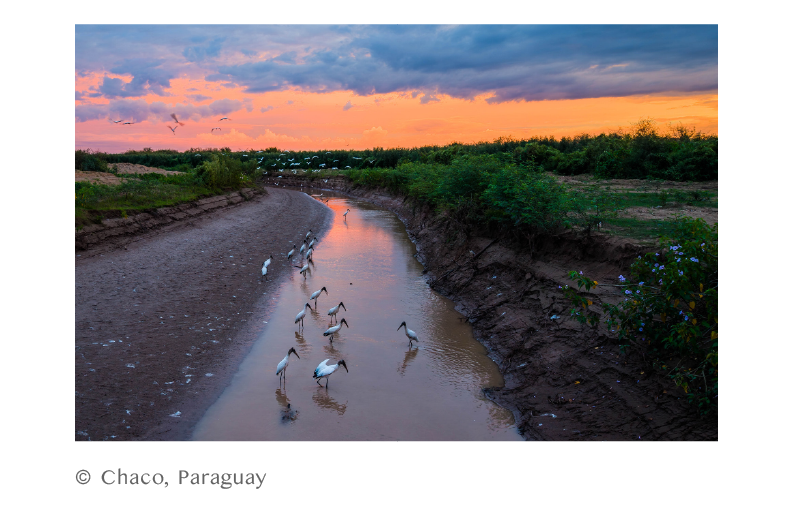
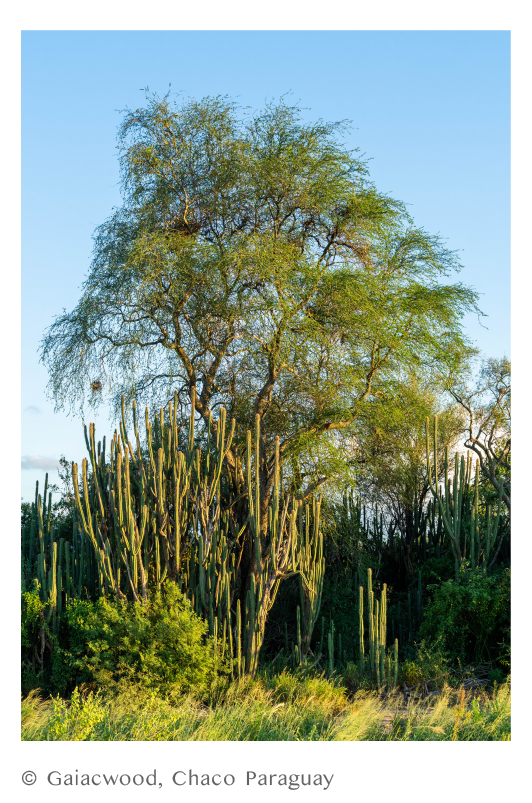
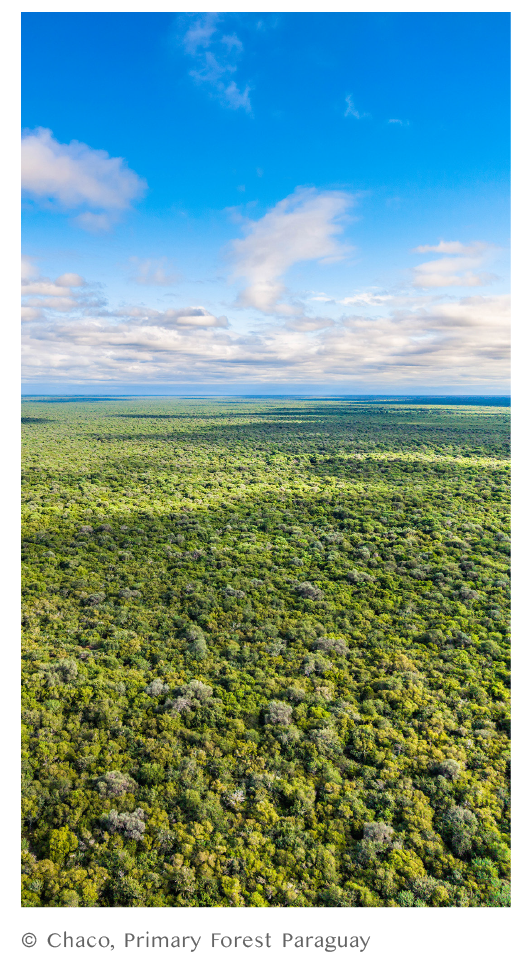
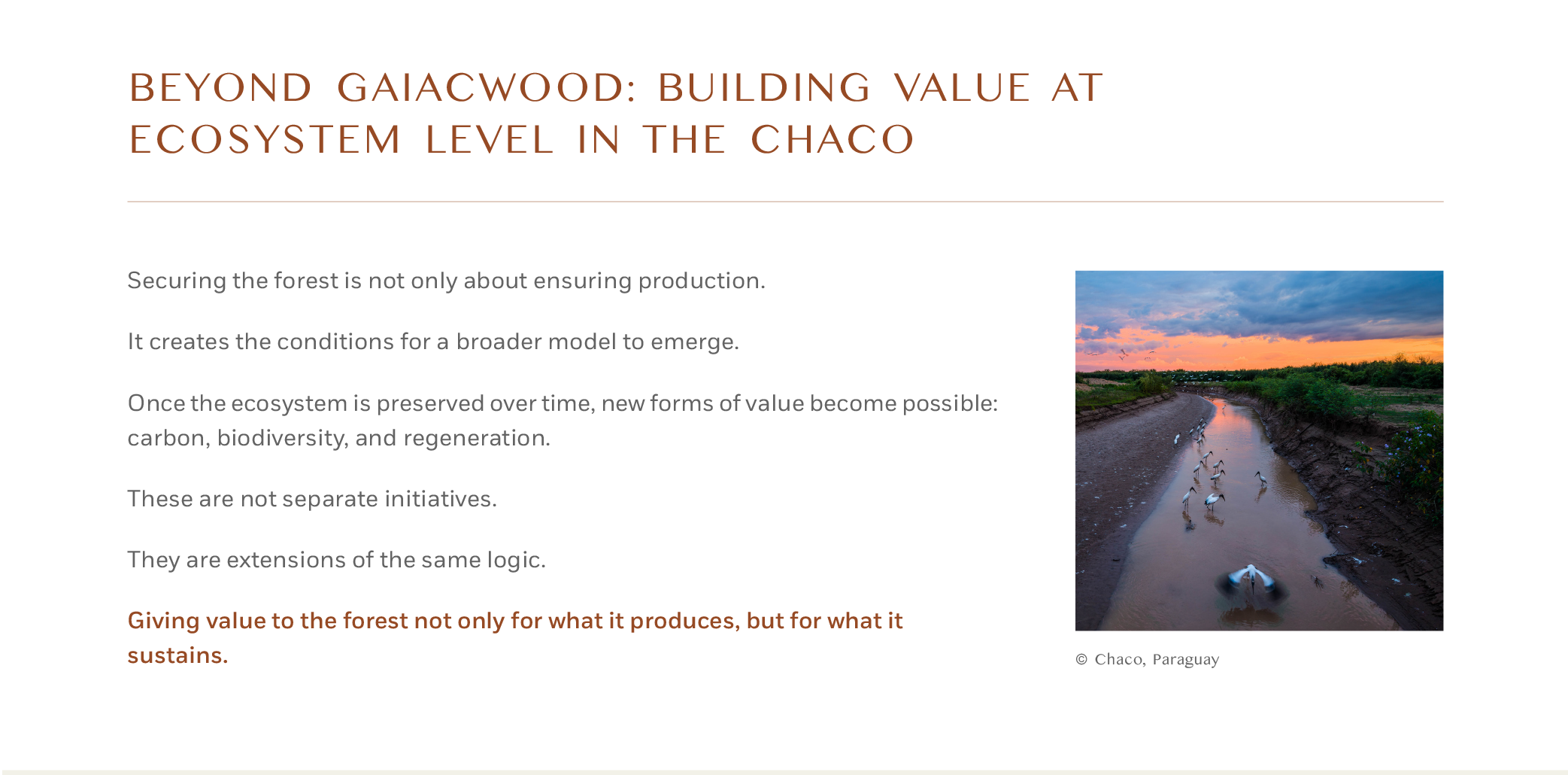
It grows exclusively in the Gran Chaco mostly in Paraguay, a dry forest ecosystem so specific that it cannot be replicated anywhere else. This is not just another sourcing region. It is one of the last remaining primary forests outside the Amazon.
And it is disappearing.
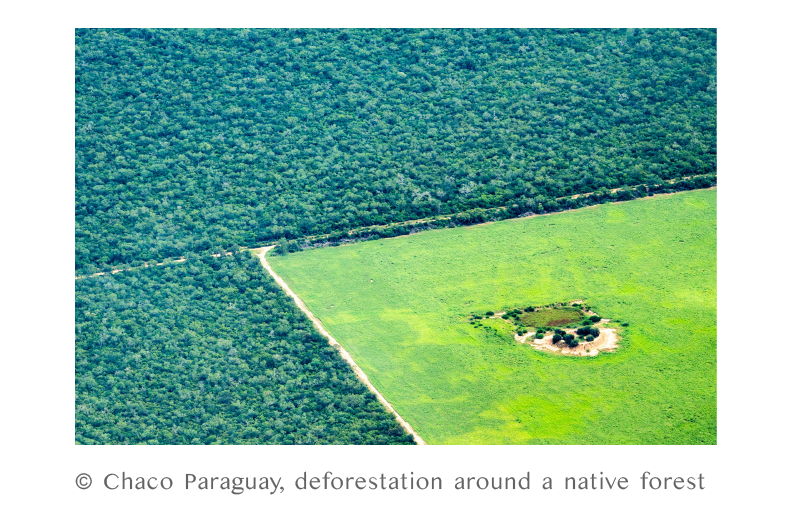
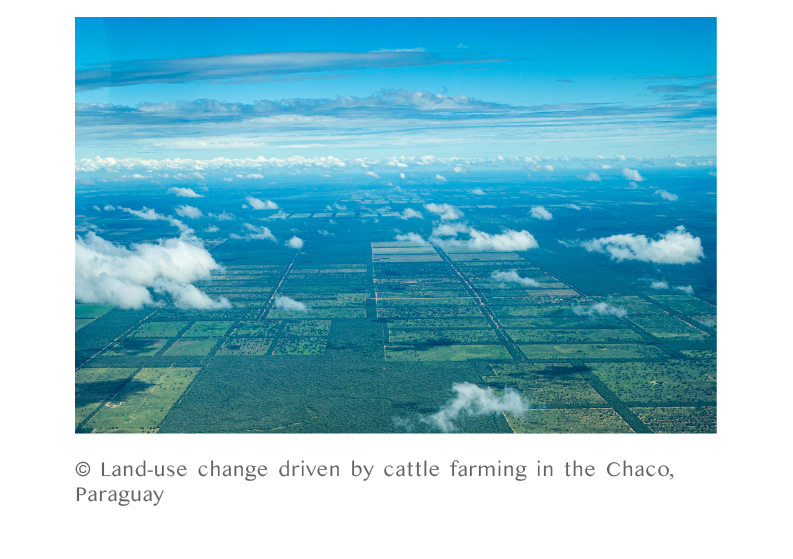
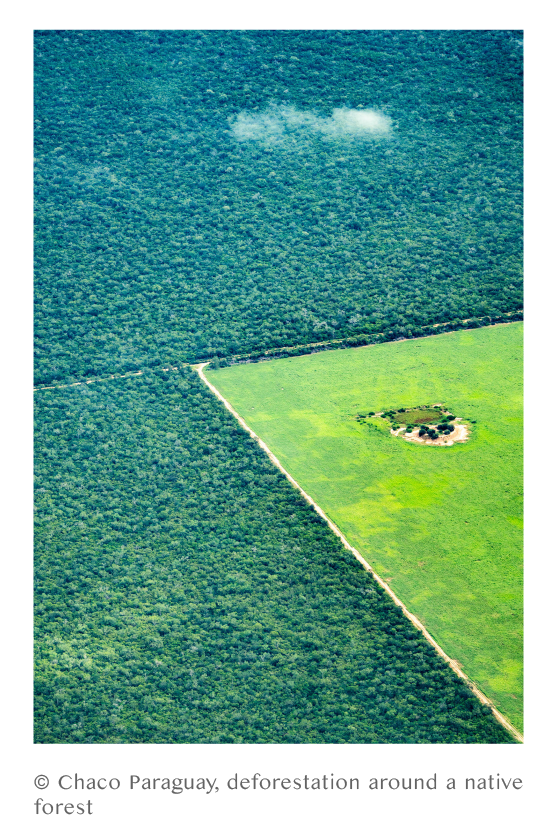
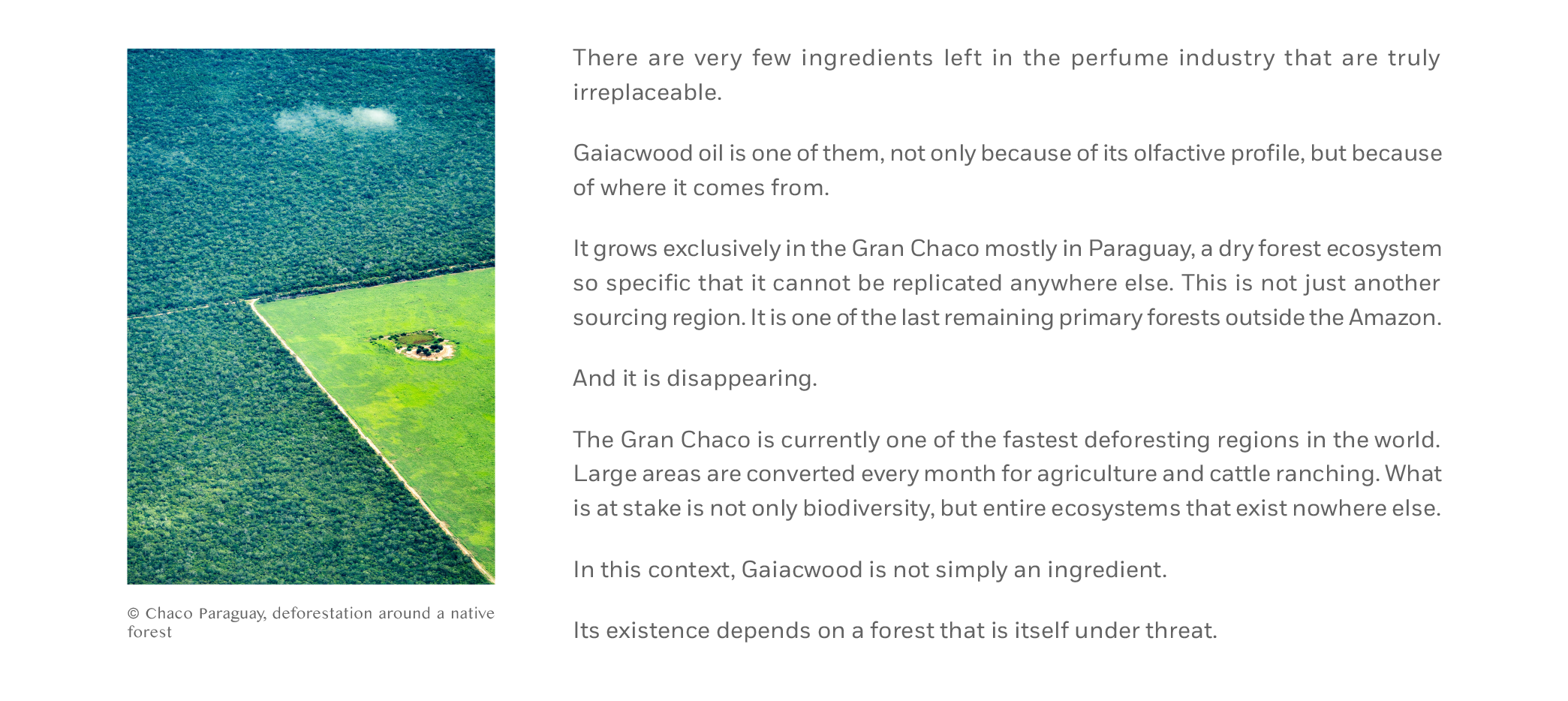
The Gran Chaco is currently one of the fastest deforesting regions in the world. Large areas are converted every month for agriculture and cattle ranching. What is at stake is not only biodiversity, but entire ecosystems that exist nowhere else.
In this context, Gaiacwood is not simply an ingredient.
Its existence depends on a forest that is itself under threat.
PROTECTING GAIACWOOD MEANS PROTECTING ITS ECOSYSTEM
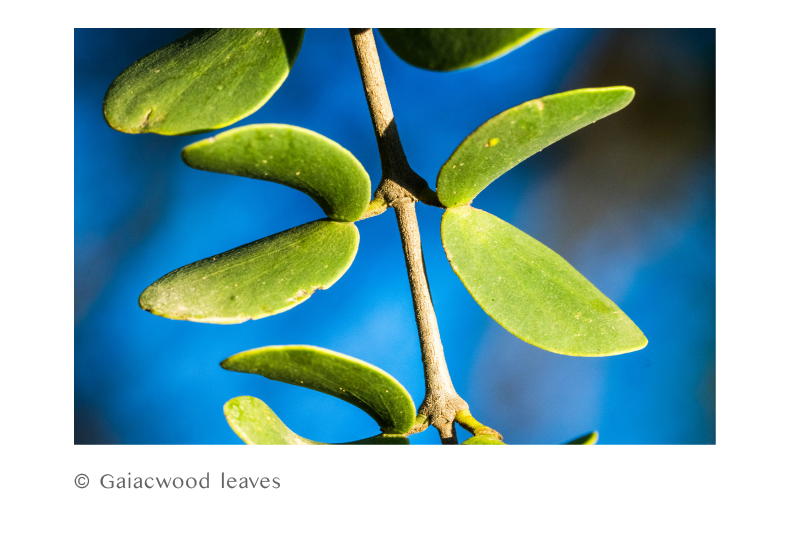
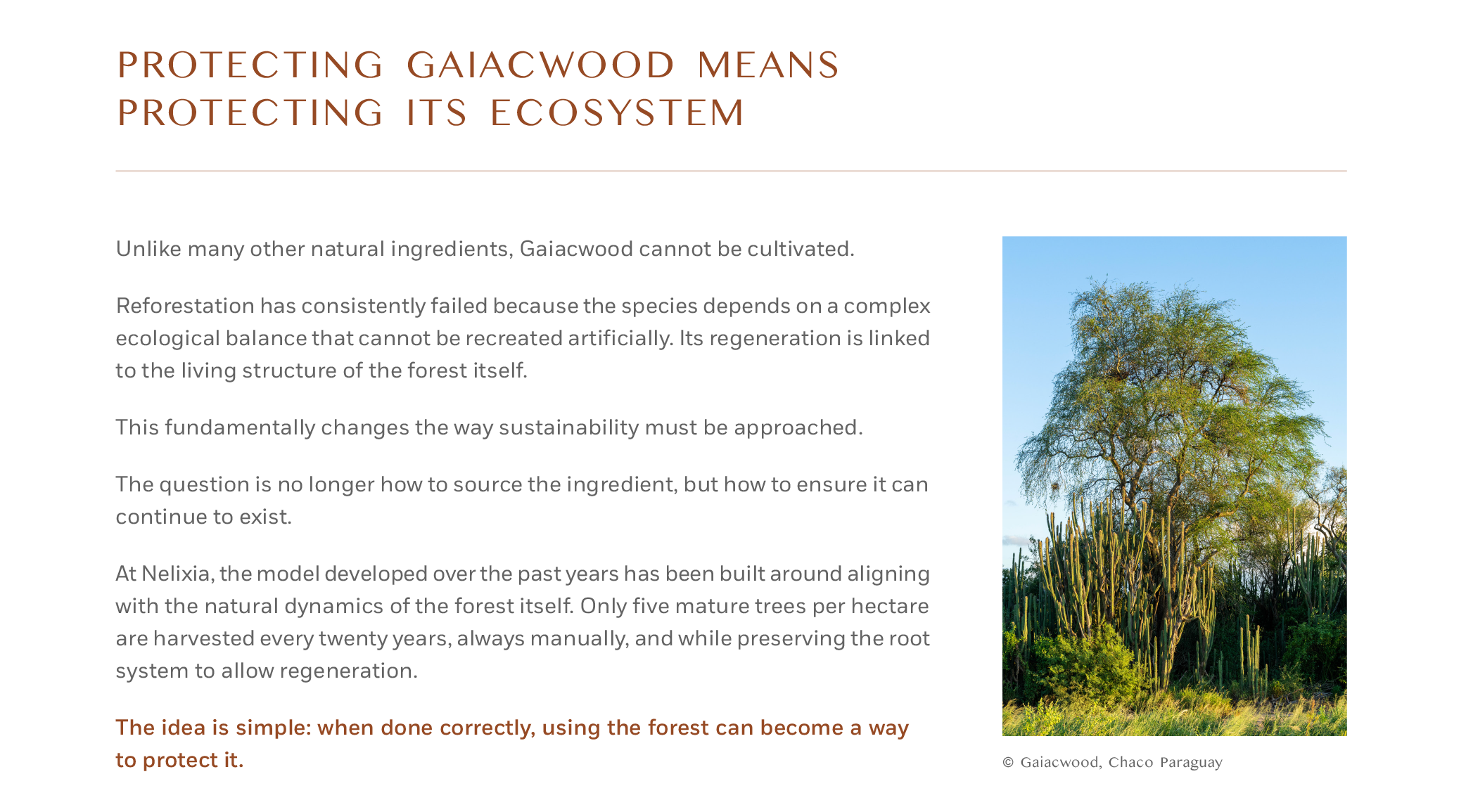
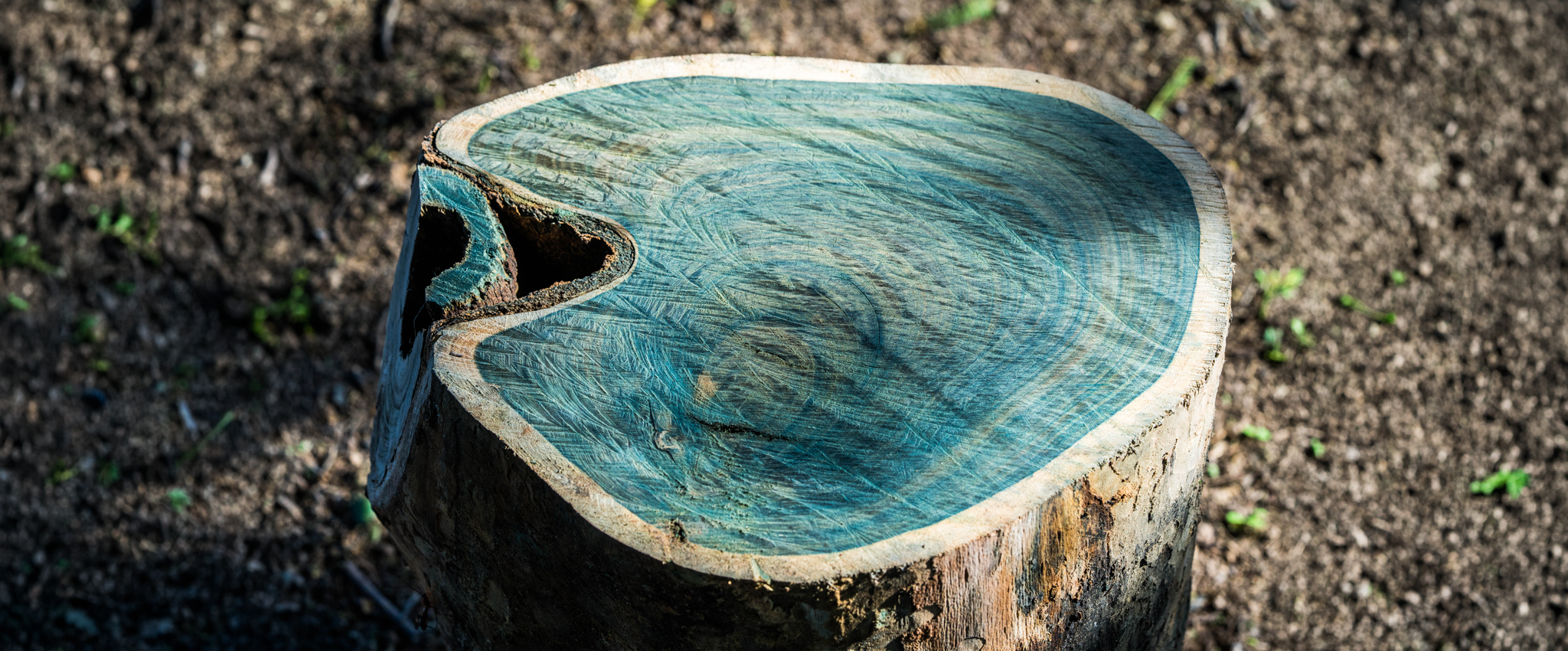
Unlike many other natural ingredients, Gaiacwood cannot be cultivated.
Reforestation has consistently failed because the species depends on a complex ecological balance that cannot be recreated artificially.
Its regeneration is linked to the living structure of the forest itself.
This fundamentally changes the way sustainability must be approached.
The question is no longer how to source the ingredient, but how to ensure it can continue to exist.
At Nelixia, the model developed over the past years has been built around aligning with the natural dynamics of the forest itself. Only five mature trees per hectare are harvested every twenty years, always manually, and while preserving the root system to allow regeneration.
The idea is simple: when done correctly, using the forest can become a way to protect it.
WHEN 12,000 HECTARES IN THE CHACO WERE PUT AT RISK
This is where things started to become real.
Since 2018, Nelixia had been managing 4,100 hectares of a 12,000-hectare property in the Paraguayan Chaco; one of the most important concentrations of Gaiacwood in the region.
At a certain point, the landowners decided to sell.
The risk was immediate.
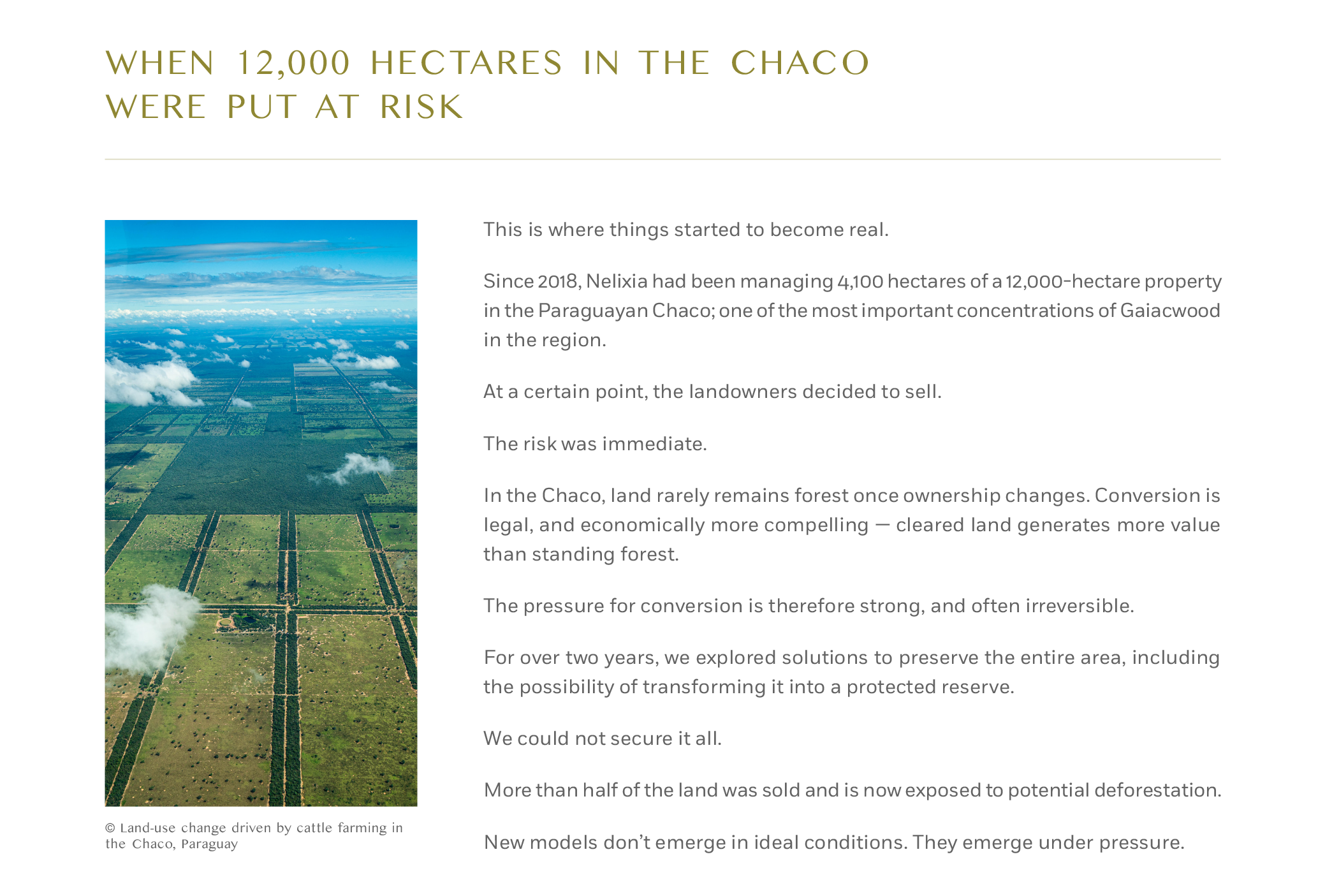
In the Chaco, land rarely remains forest once ownership changes. Conversion is legal, and economically more compelling — cleared land generates more value than standing forest.
The pressure for conversion is therefore strong, and often irreversible.
For over two years, we explored solutions to preserve the entire area, including the possibility of transforming it into a protected reserve.
We could not secure it all.
More than half of the land was sold and is now exposed to potential deforestation.
New models don’t emerge in ideal conditions. They emerge under pressure.
HOW NELIXIA SECURED 5,000 HECTARES OF GAIACWOOD FOREST IN THE CHACO
Faced with this situation, the question was no longer how to preserve everything.
It was how to preserve what still could be.
The answer required a shift : from managing a forest to securing it.
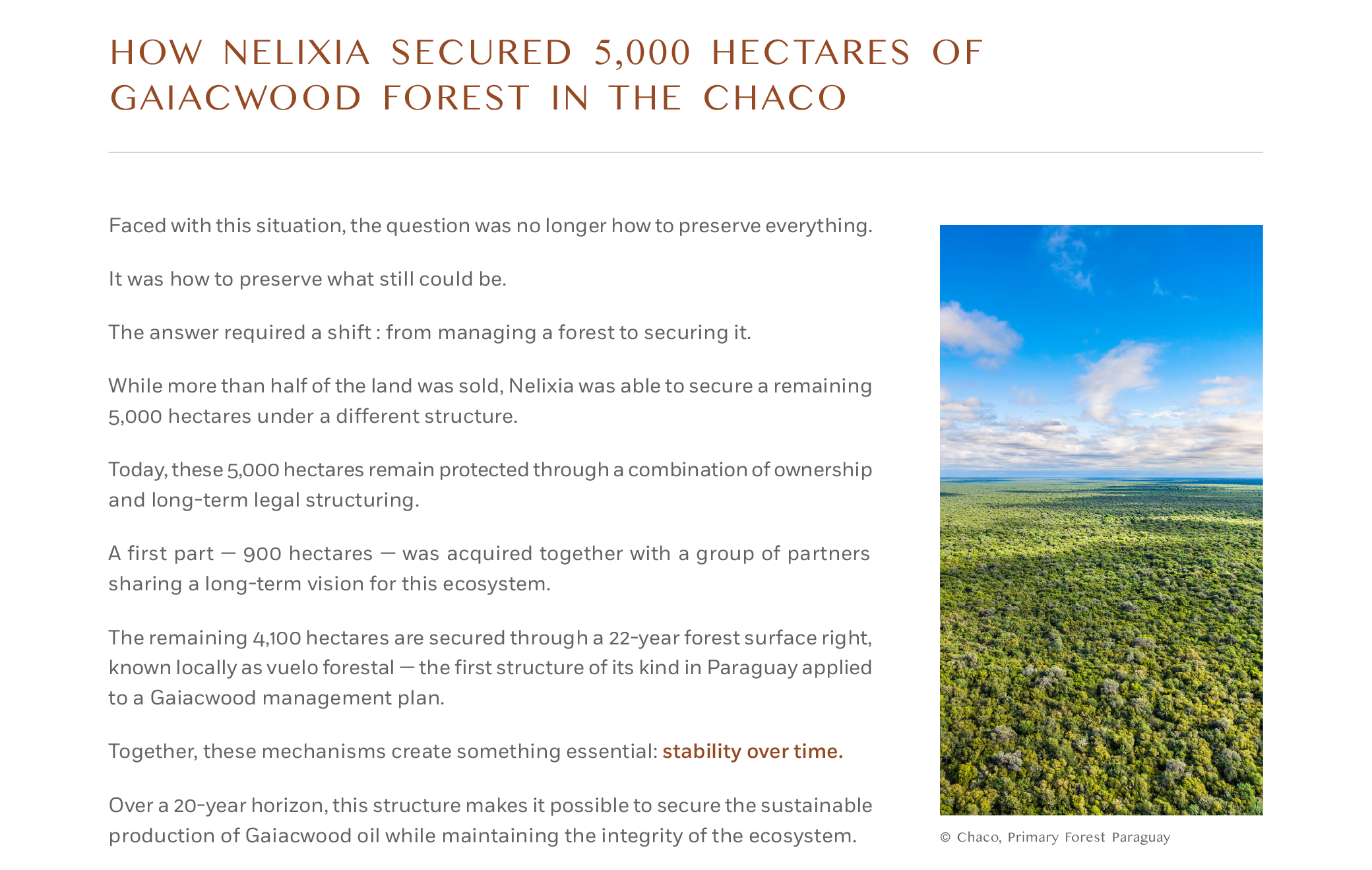
While more than half of the land was sold, Nelixia was able to secure a remaining 5,000 hectares under a different structure.
Today, these 5,000 hectares remain protected through a combination of ownership and long-term legal structuring.
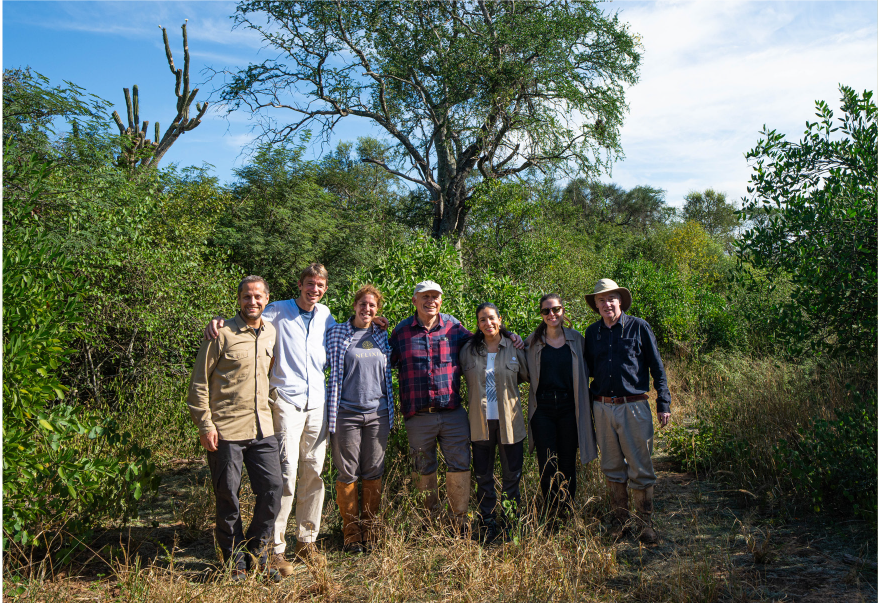
A first part — 900 hectares — was acquired together with a group of partners sharing a long-term vision for this ecosystem.
The remaining 4,100 hectares are secured through a 22-year forest surface right, known locally as vuelo forestal — the first structure of its kind in Paraguay applied to a Gaiacwood management plan.
Together, these mechanisms create something essential: stability over time.
Over a 20-year horizon, this structure makes it possible to secure the sustainable
production of Gaiacwood oil while maintaining the integrity of the ecosystem.
WORKING WITHIN CITES — AND CONTRIBUTING TO WHAT COMES NEXT
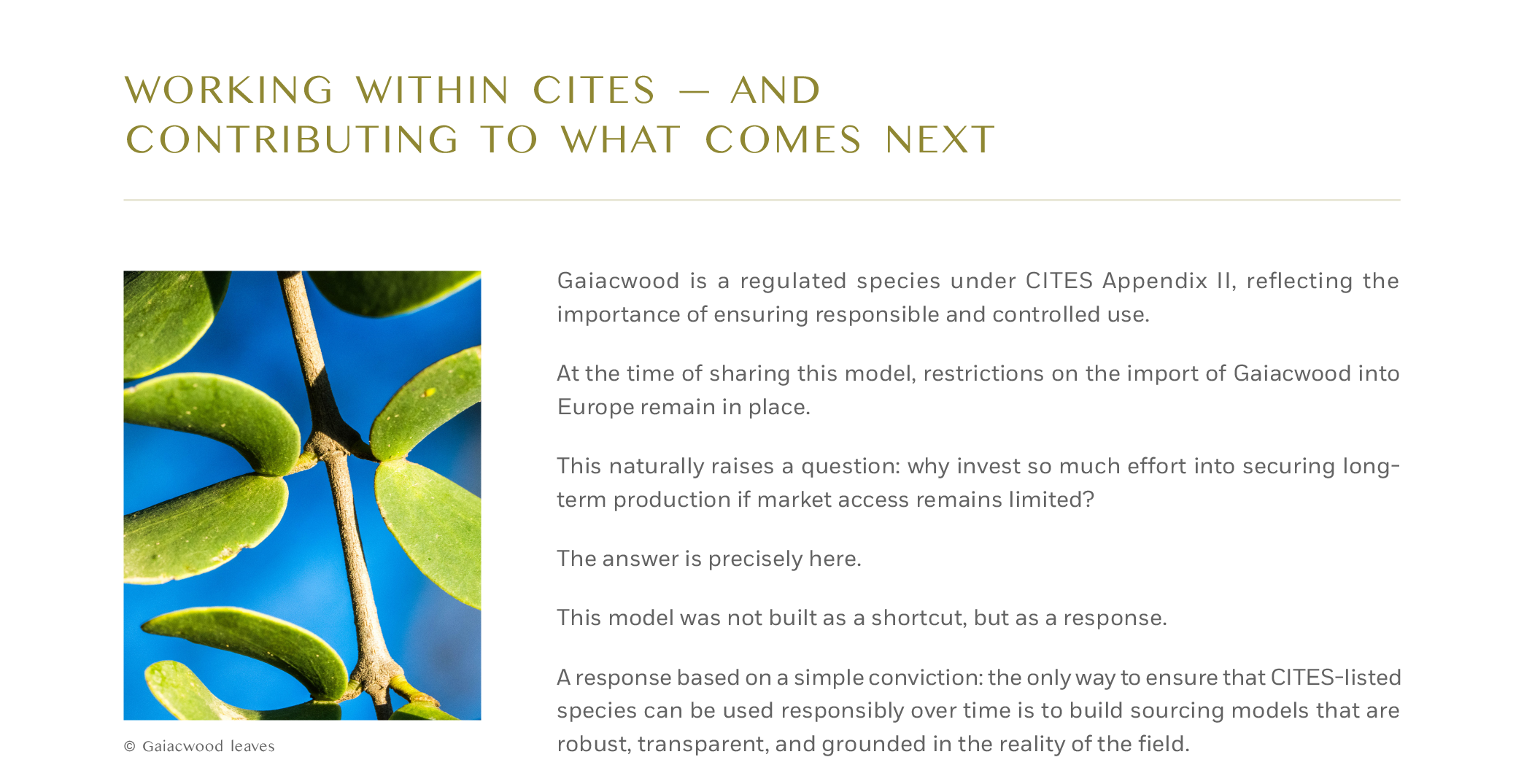
Gaiacwood is a regulated species under CITES Appendix II, reflecting the importance of ensuring responsible and controlled use.
At the time of sharing this model, restrictions on the import of Gaiacwood into Europe remain in place.
This naturally raises a question: why invest so much effort into securing long- term production if market access remains limited?
The answer is precisely here.
This model was not built as a shortcut, but as a response.
A response based on a simple conviction: the only way to ensure that CITES-listed species can be used responsibly over time is to build sourcing models that are robust, transparent, and grounded in the reality of the field.
BEYOND GAIACWOOD: BUILDING VALUE AT ECOSYSTEM LEVEL IN THE CHACO
Securing the forest is not only about ensuring production.
It creates the conditions for a broader model to emerge.
Once the ecosystem is preserved over time, new forms of value become possible: carbon, biodiversity, and regeneration.
These are not separate initiatives.
They are extensions of the same logic.
Giving value to the forest not only for what it produces, but for what it sustains.
Conclusion
Sustainably managed Gaiacwood oil is not just an ingredient. It is a demonstration. That securing a natural ingredient requires securing the ecosystem it depends on. That sustainability must be anchored in time. And that sourcing can evolve from extraction to long-term responsibility. What has been built in the Gran Chaco is not an isolated project It is a model. A model that shows that primary forests can remain standing — not as a constraint, but as a condition for value creation.
And in that sense, this is not only about Gaiacwood. It is about redefining what sourcing can become
And in that sense, this is not only about Gaiacwood. It is about redefining what sourcing can become